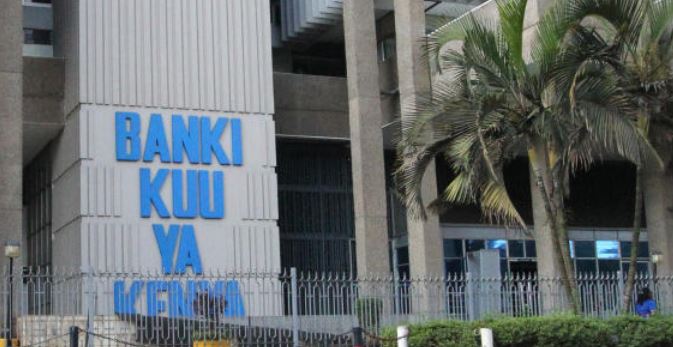
A proposal by the Central Bank of Kenya (CBK) to overhaul how it charges banks has come under scrutiny from lawmakers, who fear the new system could ultimately raise the cost of banking services for consumers.
Members of the National Assembly's Committee on Delegated Legislation questioned the proposed Banking Fees Regulations, 2026, during a meeting on Thursday, raising concerns over both their legal basis and their potential economic impact.
The draft regulations would replace the current fixed annual fee, which is based on the number of bank branches, with a levy equivalent to 0.15 per cent of each bank's gross annual revenue.
CBK Governor Kamau Thugge defended the proposal, arguing that the current fee structure is outdated.
"The existing framework has remained largely unchanged since 1994, despite significant changes in the banking sector," Thugge told the committee, adding that the revised model is intended to reflect the industry's current size and complexity.
Lawmakers, however, sought clarification on how the levy would be calculated.
Kathiani MP Robert Mbui questioned whether customer deposits would be included in the definition of gross annual revenue. Thugge responded that deposits are treated as liabilities and would not be part of the calculation.
Instead, he said, the levy would be based on audited income generated from interest on loans and investments.
Gichugu MP Robert Githinji also challenged the legal foundation of the regulations, questioning whether the Banking Act grants the Central Bank sufficient authority to introduce the proposed charges.
Other members took issue with the terminology used in the draft rules, arguing that the phrase "banking fees" is not explicitly recognised under existing legislation.
The committee also expressed concern over provisions requiring newly licensed banks to pay fees based on projected revenue, saying there appeared to be no clear methodology for estimating future earnings.
Another point of contention was a proposed penalty that would require institutions failing to pay the annual levy on time to pay an additional 100 per cent surcharge.
"You are being asked to pay double the amount and still face the risk of losing your licence. That amounts to double jeopardy," Mbui said.
Members also noted that the payment deadline falls during the festive season, when many organisations operate with reduced staffing, potentially making compliance more difficult.
Thugge maintained that the additional revenue would strengthen the Central Bank's regulatory capacity, helping it oversee emerging risks such as cybercrime, artificial intelligence and money laundering.
The parliamentary committee said it would continue reviewing the proposed regulations and may seek submissions from banks, consumer groups and other stakeholders before presenting its recommendations to the National Assembly.
 Facebook
 Twitter / X
 WhatsApp
 LinkedIn
 Telegram
 Reddit